










































Most sales teams still work a deal like it is 2015. One contact, a couple of demos, a proposal, a close. That model stopped working somewhere around the last downturn, and the average B2B seller is only now catching up to the reason.
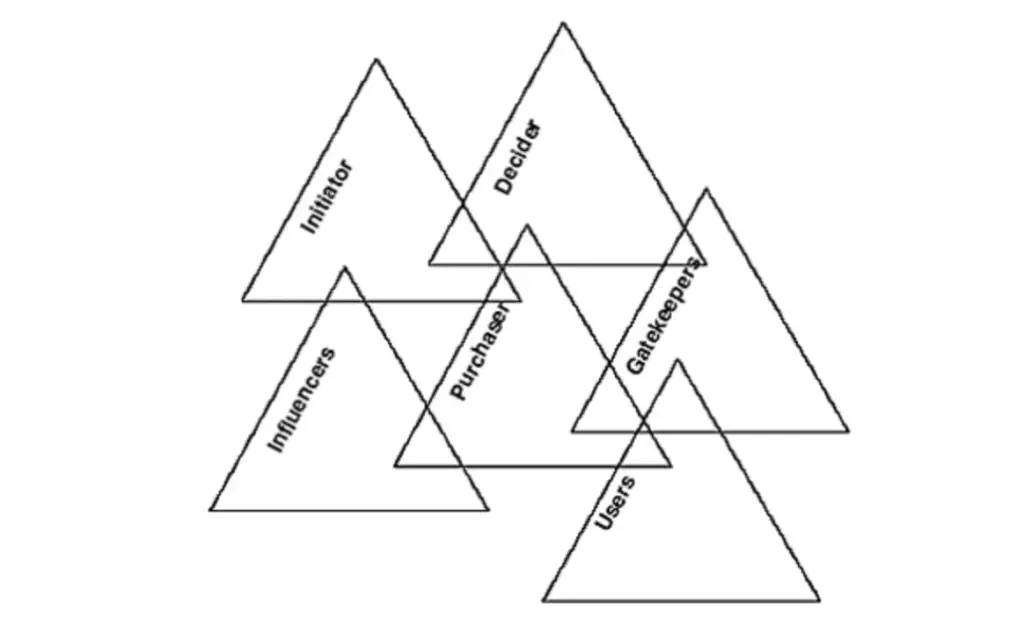
The reason is the B2B buying committee. What used to be a champion plus a signer is now six, eight, sometimes twelve people who all hold veto power over a purchase they will never personally use. Miss any one of them and the deal stalls in ways nobody sends you an email about.
Why One Contact Rarely Represents the Whole Buying Decision
Talk to anyone in procurement or finance about how a software purchase actually gets approved in their company. They will tell you the same thing: no single person can say yes. Legal has a checklist. IT security has a review board. Finance runs the vendor through a spend model. The person taking your call is at best a champion. They cannot pull the deal across the line alone.
Vendors who treat that champion as the whole account tend to lose in one of three ways. The deal freezes when it hits a stakeholder they never met. The budget gets reallocated because the economic buyer was never sold on the outcome. Or the champion leaves the company and their replacement has no context on why the project ever mattered.
What Is a B2B Buying Committee?
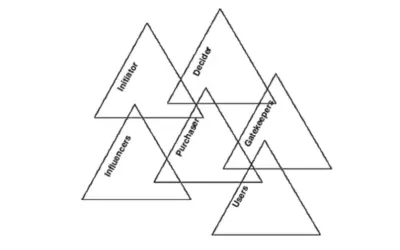
It is the group of internal stakeholders who collectively evaluate, approve, and fund a purchase. It usually includes a user, a champion, a technical evaluator, a security reviewer, a finance approver, and an economic buyer with final signing authority. Larger deals pull in legal, procurement, and executive sponsors on top of that, along with functional heads whose budgets get touched.
Some organisations distinguish the formal group from a broader buying group, meaning the wider set of internal influencers who shape the decision without a formal vote. Either way, the practical implication is the same. The purchase decision belongs to a system, not any one person.
How to Identify Everyone Involved in a B2B Purchase
Figuring out how to identify everyone involved in a B2B purchase starts before the first discovery call. Look at the org chart, LinkedIn activity, and past purchase patterns for the account. Any deal above a certain dollar threshold will touch a predictable set of functions: the team using the tool, the team responsible for security, the team writing the check, and the team accountable for the metric the tool is supposed to improve.
Stakeholder mapping is the practice of drawing that picture explicitly. Good stakeholder mapping names each person, their role, their stated position, their influence level, and what they personally need from the outcome. Instead of living in a CRM field, the map functions as a working document that gets updated after every meeting.
Teams that do this well show the map to the champion and ask them to correct it. Champions almost always find at least one name you missed.
Reading Buying Signals from Every Seat at the Table
Buying signals look different depending on which seat someone is in. A user researches integration guides. A security reviewer downloads your SOC 2 report. A finance stakeholder pulls up your pricing page in an incognito window at 11 pm. Each of those actions means something, and none of them alone means the deal is closing.
Vendors who track behaviour at the account level, not just the lead level, get a clearer read on where the committee actually is. If three people from procurement suddenly visited your terms of service page last week, the legal review has started whether your champion told you or not.
How to Sell to Multiple Decision Makers in B2B
The tactical answer to how to sell to multiple decision makers in B2B has a name inside the sales world: sales multithreading. It means building direct relationships with more than one person inside the account so the deal survives a champion change and progresses on more than one track at once.
Sales multithreading in practice looks like this. Your AE owns the champion and one executive sponsor. A sales engineer owns the technical evaluator and security reviewer. A customer marketing contact stays close to the end users. Someone in finance-side sales speaks the language of the CFO’s team. Nobody hoards a contact. Everyone updates the same account plan.
Teams that multithread well close more deals, and their deals get stuck less often. They also renew better, because the relationships that closed the deal are the same ones defending the renewal.
The Practical Takeaway
Complex purchases now involve more people than most sellers plan for. The vendors who win consistently treat every account as a network of stakeholders with different priorities, different risk tolerances, and different definitions of success. They map that network on purpose, watch the signals it emits, and staff their side of the deal to match the buyer side.
Doing all of that costs more effort per account. It also compresses cycle times, raises win rates, and reduces the number of deals that die in Q4 without explanation.
FAQs
What is a B2B buying committee?
It is the group of internal stakeholders who evaluate, approve, and fund a business purchase. The group typically includes end users, a champion, technical and security reviewers, a finance approver, and a signing authority. On larger deals it also pulls in legal, procurement, and executive sponsors.
How many people are typically involved in a B2B purchase?
Research from Gartner and Forrester places the average committee at six to ten people for mid-market software, and higher for enterprise deals. That number has grown steadily over the past decade as risk tolerance around vendor decisions has fallen.
What is the difference between a buying committee and a buying group?
The terms are often used interchangeably. When distinguished, the first refers to the formal group with named seats and a defined evaluation process. The second refers to the wider set of internal influencers who shape the decision without a formal vote.
Who usually controls the budget in a B2B purchase?
The economic buyer controls the budget. Depending on deal size, this is a department head, a VP, or a member of the C-suite. They are rarely the person a vendor speaks with first, which is why identifying them early is one of the highest-leverage moves in enterprise selling.
What is the role of a champion in B2B sales?
A champion is the internal advocate who wants your solution to win. They surface context, coordinate the committee, and sell your case in meetings you are not in. The strongest champions have real credibility with senior stakeholders and a personal stake in the outcome.


